


Intraocular pressure measurement
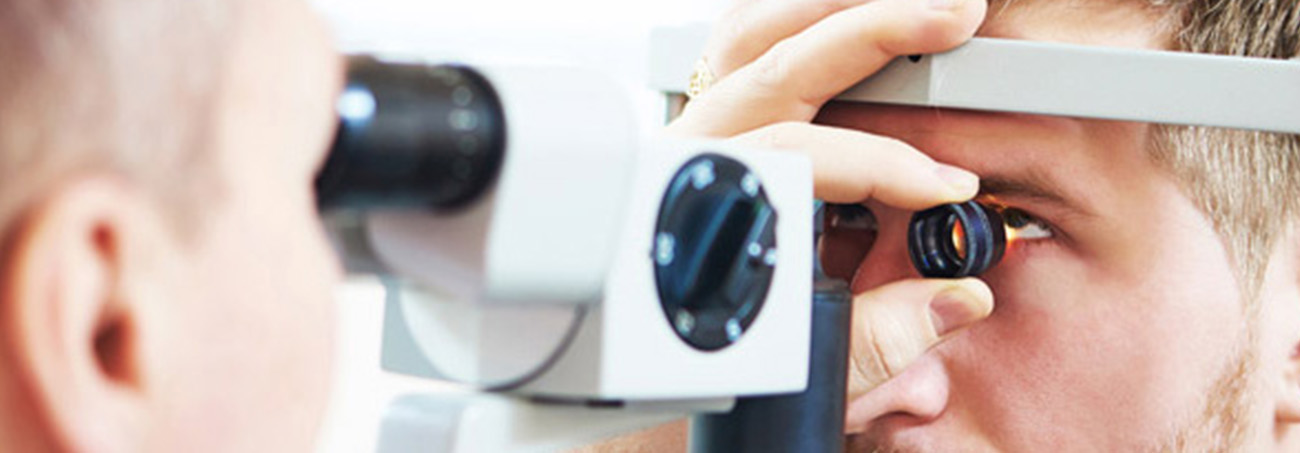

At our clinic, we perform regular intraocular pressure checks, also known as tonometry, using a Goldman contact tonometer. Usually, an increase in intraocular pressure is the result of a combination of factors such as age, heredity, ethnicity, and gender. Tonometry is performed as part of a routine examination unless otherwise recommended by the doctor. Elevated pressure has no symptoms. It does not cause pain or changes in vision. It rises slowly and gradually, causing vision to deteriorate at a slow pace and without obvious symptoms. The damage it causes, however, is irreversible. Elevated pressure can lead to glaucoma and, over time, to damage of the optic nerve. If the patient has glaucoma, it must be treated promptly because there is a risk of gradual vision loss.

PAVLOS GREVENIOTIS
Ophthalmic Surgeon
Driven by my passion for ophthalmology, my core philosophy is to prioritize diagnoses with honesty and integrity. Through continuous professional development and ongoing education, I aim to provide comprehensive solutions tailored to each patient's specific needs. I firmly believe in fostering direct and seamless doctor-patient communication.
The doctor is
a specialist in
Intraocular pressure
measurement